Programs

Reconciling people to God and each other.

“All this is from God, who through Christ reconciled us to himself and gave us the ministry of reconcilation; that is, in Christ God was reconciling the world to himself, not counting their trespasses against them, and entrusting to us the message of reconcilation.” (2 Corinthians 5:18-19)

We follow Jesus’ command to demonstrate the work of reconciliation through the global church. To address some specific issues in the DRC, we provide programming to bring reconciliation in three areas.

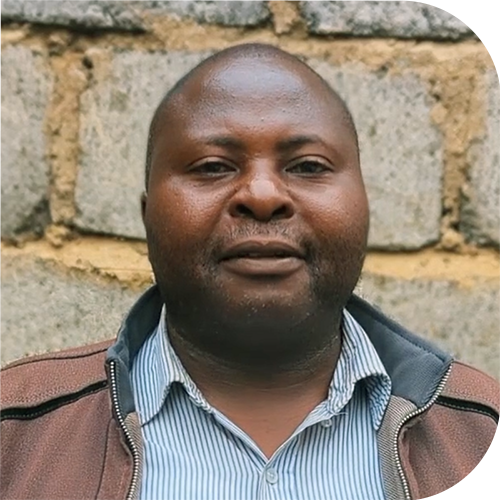
Portrait of a man featured in the Faith Restoration program

Faith Restoration

Lifting up Struggling Faith Leaders

In the Democratic Republic of Congo, about 95% of people identify as Christian, and for generations, the local church has been where communities turn when life falls apart. Years of violence, disease, and displacement have produced an economy where most families live on less than $2.15 a day. Yet, pastors have stood with their people. Many feel exhausted, however, from carrying their congregations’ suffering, and quietly feel their own connection to God has grown thin.

Our Faith Restoration Workshops, led by a Congolese pastor, offer a safe place to rest, be encouraged, and rediscover the hope at the heart of the gospel. Leaders return home renewed, with a fresh sense of purpose and the strength to bring their communities together.

We had given up on hope in silence, because as a pastor you are assumed to always stand strong. This workshop has come to be a response to my many questions. We believe you will help our fellow Christians know that whatever they are going through cannot be compared to the great love God has for them.

-Jean-Claude, Pastor
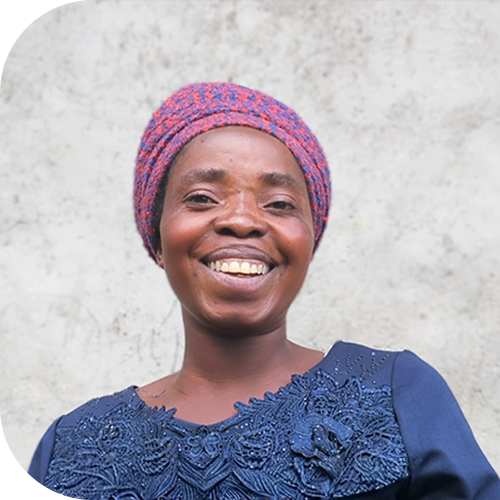
Portrait of a smiling woman featured in the Peacebuilding program

Peacebuilding

Resolving Community Conflict

There are very few effective government structures to mediate community conflict in the DRC. Home and land theft, domestic disputes, and disagreement over community assets can leave people to find their own way to justice. After decades of regional violence that has cost millions of lives, wounds run deep, and disputes between neighbors, families, and tribes can quickly spiral into something worse.

Our multi-day Peacebuilding Workshops result in the creation of Community Peace Committees (CPCs). Pastors, tribal elders, and community leaders stand ready to step in when disputes arise and help neighbors find a way forward without violence. This is peace that grows within each community, not from outside pressure. Younger generations can learn that conflict can end in reconciliation instead of revenge. With the right support from Community Peace Committees, people can help bring lasting stability to a region that has known too much turmoil.

“I can't count the conflicts we solved but that rose again because of not solving them properly. Now that we have learned these skills we believe that we will solve conflicts better and peace will reign for a long time.”

-Zita, Church Leader
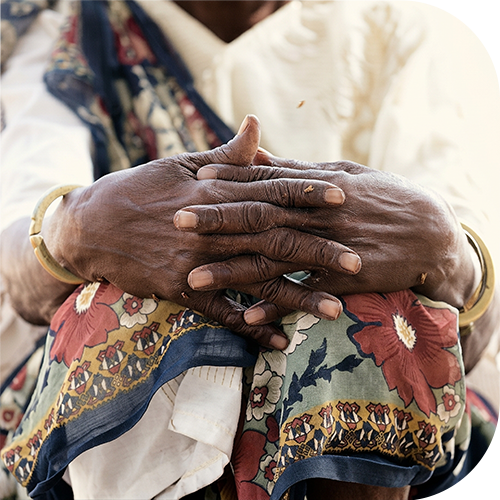
Folded hands of a participant in the Trauma Healing program

Trauma Healing

Reversing the Effects of Gender-Based Violence

Years of war and economic hardship have brought devastating rates of sexual violence to the DRC. More than half of all women report experiencing violence from men, and over 1 million women are estimated to have survived rape. For many, the harm is not only emotional: Injuries such as fistula can cause lasting pain, incontinence, and illness that will not heal without surgery. Sadly, survivors are often shunned by the very families and communities they need most.

We walk alongside survivors every step of the way toward healing through our partnership with a local hospital and ministry leaders. Each woman receives screening, transportation to care, surgical and psychosocial treatment, and pastoral support. As she recovers, we help her build a livelihood and prepare, together with her family and church, for a welcome return home. We also help men understand the true impact of sexual violence, the stigma survivors face, and how men can help restore dignity and respect in their families and communities.

[After the attack], I was vulnerable and felt shame in front of everyone. My husband didn’t care.

After the surgery, I felt healthy and all the pains that I had stopped. … Today, I am healthy and ready to share with anyone about what happened to me and how I got helped by EFM. I am happy that many other women survivors are showing up and coming to seek help from EFM.

-Angélique, Survivor and Program Participant

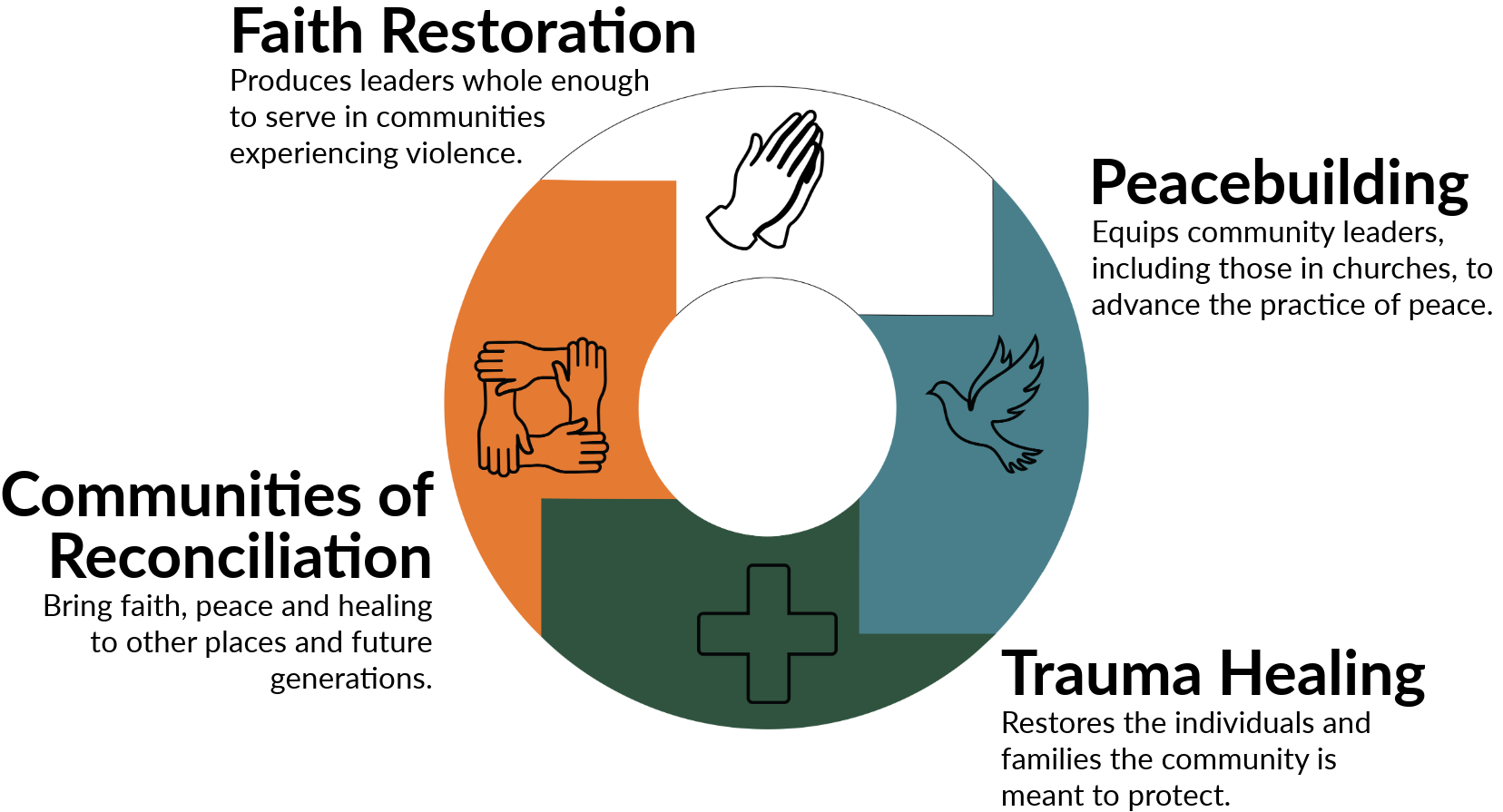
An integrated approach.

Our three programs reinforce each other, working to reverse the cycle of conflict and despair and make one of faith, peace, and healing.

An integrated approach graphic with a central circle, praying hands, joined hands, a dove, and a cross connected by color bands.